Trees add beauty, shade, and value to any property, but without proper care, they can also become a safety concern. Regular tree trimming is one of the most important practices for maintaining healthy trees and protecting homes, businesses, and surrounding landscapes in Kingsville, Windsor, Essex County, and across Southern Ontario.
Many property owners delay trimming until a problem appears, but proactive tree care can prevent costly damage, reduce storm risk, and avoid long-term structural issues. Understanding why tree trimming matters helps residential and commercial property owners make informed decisions that benefit both tree health and overall property safety.
The Role of Tree Trimming in Tree Health
Tree trimming is not just about improving appearance. It plays a critical role in how trees grow, develop, and respond to environmental stress from seasonal weather, pests, and disease. Proper trimming by a trained tree care professional promotes strong branch structure, extends the lifespan of mature trees, and reduces the need for emergency tree removal later.
Removing Weak and Damaged Growth
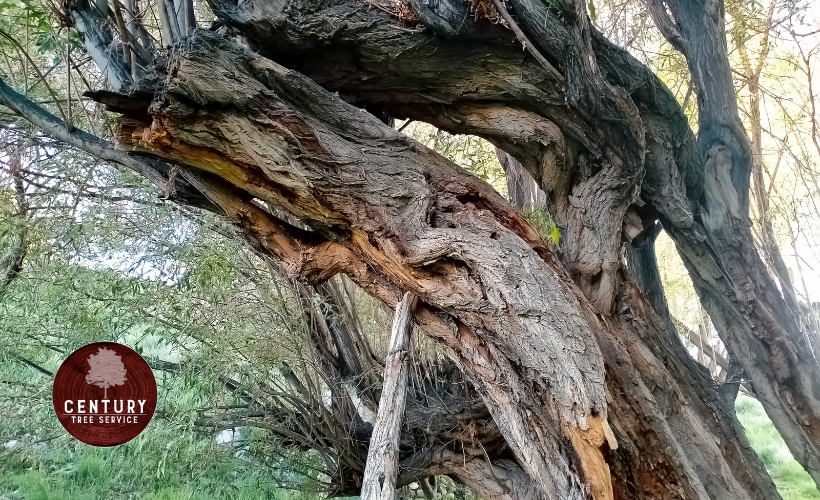
Dead, cracked, or diseased branches place unnecessary stress on a tree. These weakened limbs restrict airflow through the canopy, attract wood-boring insects like emerald ash borer and carpenter ants, and allow decay fungi to spread into healthy wood. Removing dead and damaged branches allows the tree to direct energy toward strong, productive new growth. Regular deadwood removal also reduces the weight load on major limbs, lowering the risk of branch failure during high winds and ice storms common across Essex County and Windsor each winter.
Improving Airflow and Sunlight
Overcrowded canopies prevent sunlight and air from reaching inner branches and the lower crown of the tree. Dense foliage traps moisture against bark and leaves, creating conditions that promote fungal infections, leaf spot diseases, and mildew. Proper crown thinning opens the canopy by selectively removing interior branches, improving photosynthesis and reducing moisture buildup throughout the tree. Better airflow also helps leaves dry faster after rain, which is especially important for deciduous tree species common in Southern Ontario including maple, oak, ash, and elm.
Supporting Balanced Growth
Unbalanced growth can cause trees to lean, develop weak branch unions, or produce heavy limbs that extend too far from the trunk. These structural problems increase the risk of splitting and limb failure as the tree matures. Strategic trimming encourages even weight distribution across the crown, helping trees grow stronger and more stable over time. For younger trees, early structural pruning and training establishes a strong central leader and well-spaced scaffold branches that support the tree through decades of growth.
Tree Trimming and Property Safety
Unmaintained trees can create serious risks for homeowners, tenants, visitors, and neighbouring properties, especially during thunderstorms, windstorms, and ice storms. Regular trimming helps reduce those risks before damage occurs and protects the structures, vehicles, and people around your property.
Preventing Falling Branch Hazards
Overgrown or weakened branches are more likely to break during storms, heavy snowfall, and ice accumulation. Falling limbs can damage roofs, crush vehicles, destroy fences, and injure people below. Trimming reduces the chance of branch failure by removing deadwood, reducing canopy weight, and eliminating branches with weak crotch angles or included bark. For properties in Windsor, Essex, Amherstburg, Tecumseh, and surrounding areas, preventative trimming before storm season is one of the most effective steps homeowners can take to protect their property.
Maintaining Clearance Around Structures
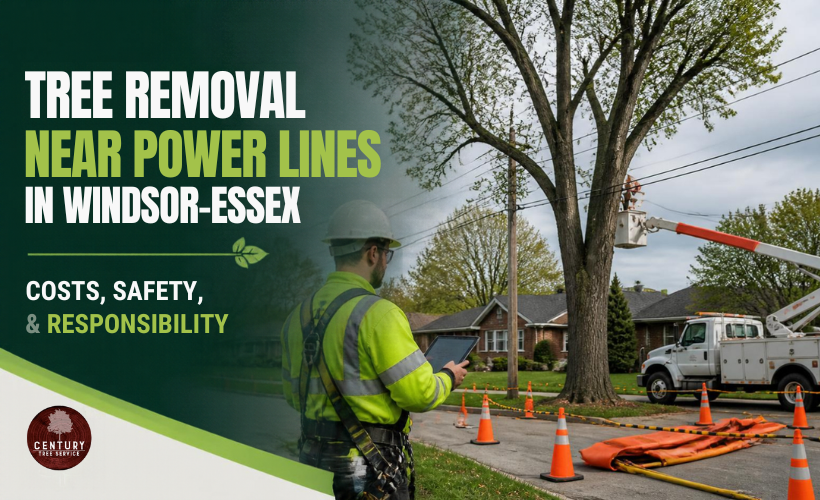
Trees that grow too close to buildings can scrape siding, damage shingles, clog gutters with leaves and twigs, and allow rodents and insects direct access to your roof and attic. Overgrown branches touching or rubbing against your home create entry points for moisture and pests that lead to wood rot and structural damage over time. Professional trimming maintains safe clearance distances between tree canopies and buildings, garages, sheds, and outbuildings. Branches should also be kept clear of power lines, satellite dishes, and communication cables to prevent service interruptions and electrical hazards.
Protecting Walkways and Driveways
Low-hanging branches can obstruct sidewalks, driveways, parking areas, and entry points to homes and businesses. These obstructions reduce visibility for drivers and pedestrians and create head-level hazards for anyone walking beneath the tree. Routine trimming improves sightlines, increases overhead clearance, and reduces injury risks on your property. For commercial properties, maintaining clear walkways and accessible entryways is important for customer safety and municipal bylaw compliance in Ontario.
When Tree Trimming Should Be Performed
Timing matters for tree trimming. While emergency trimming to remove a broken or hanging branch can be done any time of year, planned maintenance trimming should follow seasonal guidelines to minimize stress on the tree and promote the fastest recovery.
Seasonal Trimming Considerations
Most deciduous trees in Ontario respond best to trimming during the dormant season in late fall through early spring, when the tree is not actively growing. Dormant pruning reduces sap loss, limits pest and disease exposure at cut sites, and allows the tree to heal quickly once spring growth begins. Some species, including maple and birch, produce heavy sap flow in late winter and early spring, so trimming these trees earlier in the dormant period avoids excessive sap bleeding. Light maintenance pruning to remove deadwood, suckers, and water sprouts can be performed during the growing season without significant harm. Certain tree diseases in Ontario, such as oak wilt and Dutch elm disease, are spread by insects attracted to fresh pruning wounds during warm months, so timing pruning of oak and elm trees to the dormant season is especially important.
Signs Your Trees Need Trimming
Common indicators that your trees need professional attention include visible dead branches in the canopy, crossing or rubbing limbs, uneven or lopsided crown growth, branches touching your roof or siding, excessive sucker growth at the base of the trunk, and visible cracks or splits at branch unions. Mushroom or fungal growth on branches or the trunk can signal internal decay that requires evaluation by an experienced arborist. Addressing these signs early prevents small problems from becoming safety hazards that require more expensive corrective work or full tree removal.
The Importance of Professional Tree Trimming
Tree trimming requires knowledge of tree biology, proper pruning techniques, and the right equipment for the job. Improper trimming can weaken trees, introduce disease, and create long-term structural problems that are difficult and costly to correct.
Avoiding Improper Cuts
Incorrect pruning cuts can lead to decay, disease entry, bark tearing, and structural weakness in the tree. Common mistakes include topping, which removes large portions of the crown and triggers weak, rapid regrowth; flush cuts, which remove the branch collar and prevent proper wound closure; and stub cuts, which leave dead wood that invites fungal infection. Professional tree trimming follows industry best practices including ANSI A300 pruning standards endorsed by the International Society of Arboriculture. A trained tree care professional makes each cut at the correct location and angle to promote natural wound compartmentalization and healthy callus growth.
Safety During Trimming
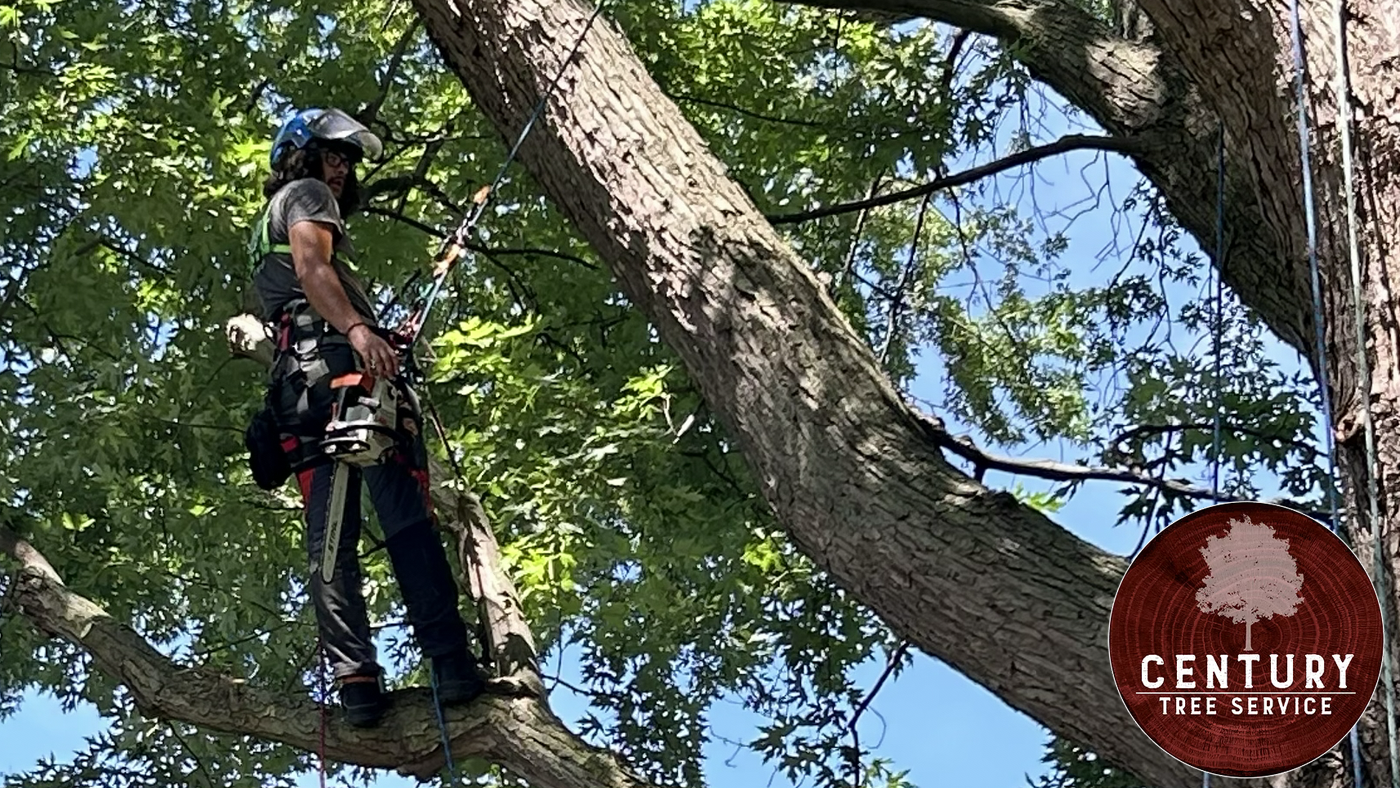
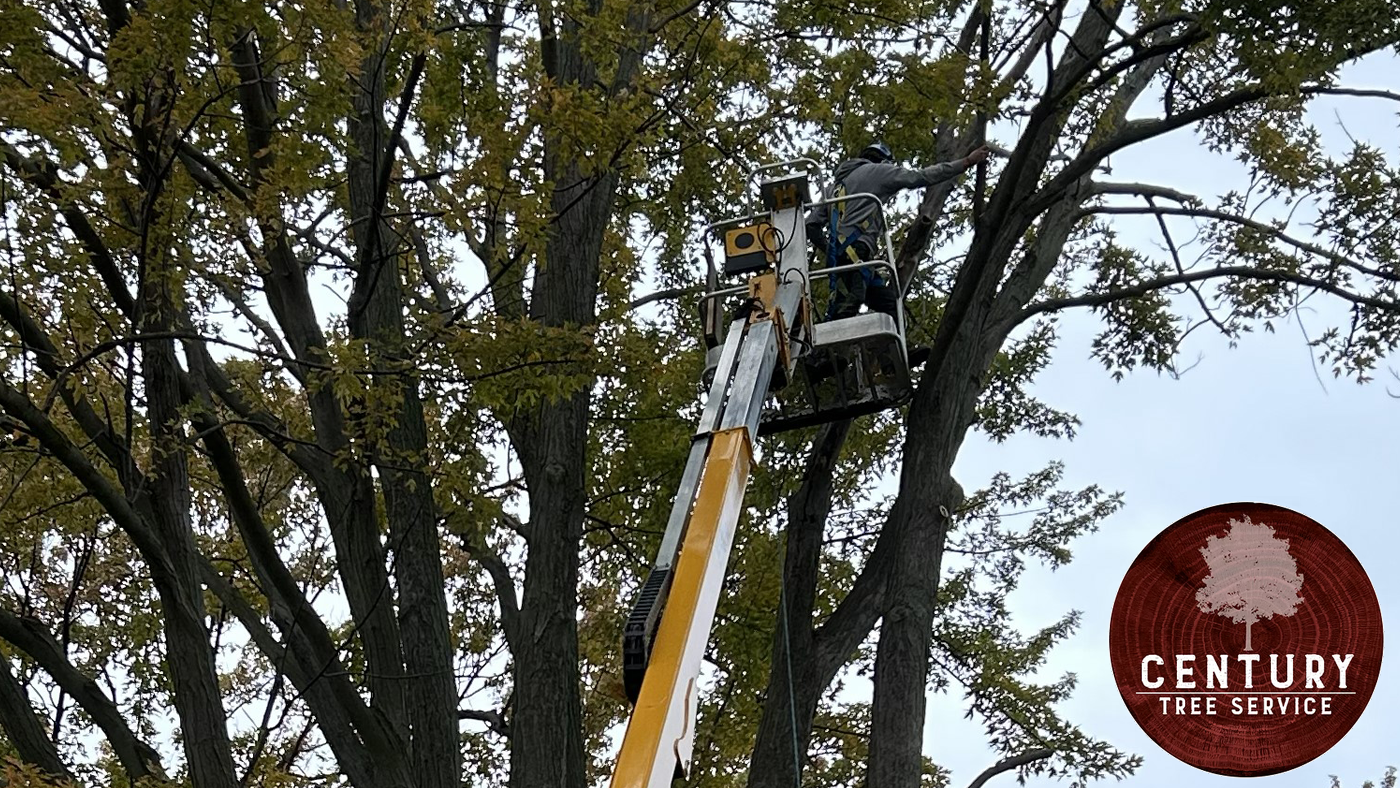
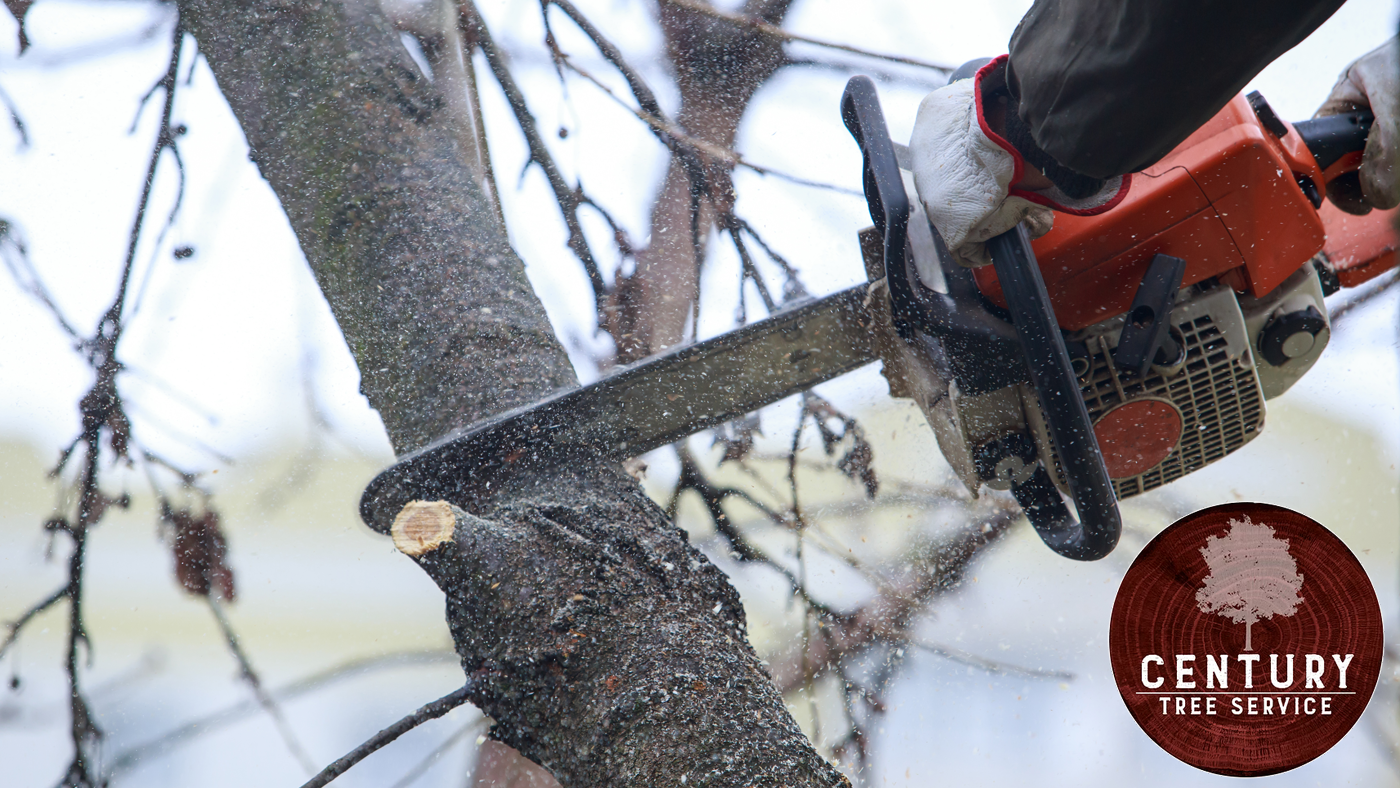
Tree work involves working at height, operating chainsaws and pole saws, and managing the unpredictable movement of heavy branches during cutting. Falling branches can strike people, vehicles, power lines, and structures below. Trained professionals use personal protective equipment including hard hats, safety glasses, hearing protection, and chainsaw chaps. They follow established safety procedures and carry full liability insurance to protect your property and everyone on site during the work. Hiring a licensed and insured tree service company is the safest choice for any trimming job that involves ladders, heavy limbs, or branches near power lines.
Long-Term Tree Care Strategy
Professional trimming is not a one-time task. It supports a long-term tree maintenance plan that keeps trees healthy, structurally sound, and safe as they grow. Most mature trees in Ontario benefit from professional trimming every 3 to 5 years, while younger trees may need structural pruning every 2 to 3 years during their formative growth period. A consistent trimming schedule reduces the severity and cost of future maintenance, lowers the risk of storm damage, and preserves the beauty and shade value of your trees for years to come. Your tree care provider can recommend a trimming cycle based on tree species, age, condition, and proximity to structures on your property.
Investing in Tree Trimming Pays Off
Regular trimming reduces emergency calls, storm damage, and future repair costs for homeowners and commercial property managers. Healthy, well-maintained trees increase curb appeal, improve property value, and provide natural shade that reduces summer cooling costs. Proactive trimming also protects your home insurance standing, since damage from neglected trees may not be covered under standard homeowner policies in Ontario.

Century Tree Service provides professional tree trimming and maintenance for residential and commercial properties in Kingsville, Windsor, Essex County, Amherstburg, Tecumseh, Lasalle, Lakeshore, Leamington, Wheatley, and surrounding areas in Ontario. Owner Devin Mills personally handles every tree trimming job with licensed, insured, and safety-focused service. Call 519-324-7118 for a free, no-obligation estimate or request a quote online today.
Tree trimming is not just maintenance. It is an investment in safety, tree longevity, and the overall condition of your landscape and property.