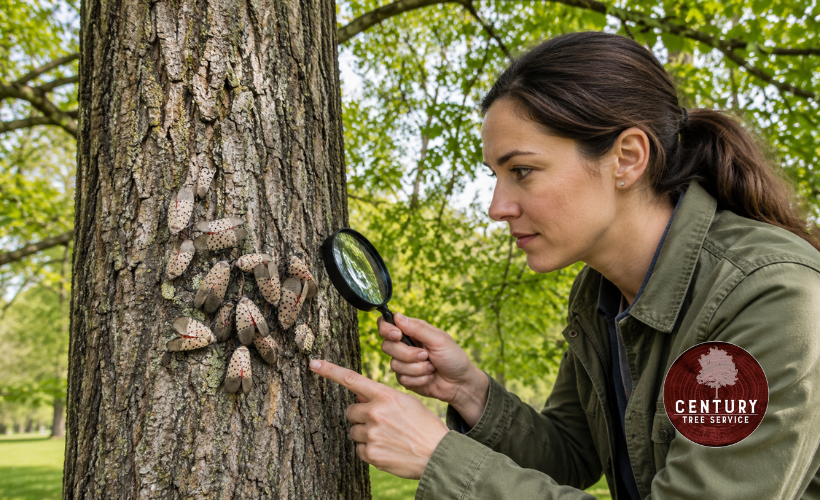
Spring Tree Pests in Essex County are creating new worries for property owners in 2026. Two threats sit at the top of the watch list this season. The Spotted Lanternfly and Oak Wilt now pose serious risks to trees across Kingsville, Windsor, and surrounding communities. The Invasive Species Centre lists Windsor-Essex as a high-risk zone because infested areas in the United States sit just across the border. These pests and diseases keep moving closer to local properties, and early detection gives your trees the best chance to survive. Century Tree Service wants every homeowner to spot the warning signs before damage spreads.
Why Essex County Faces Higher Pest Pressure This Year
Our location near the border puts local trees in the direct path of invasive species found across the Midwest. Warm spring weather speeds up pest activity, hatching egg masses sooner and forming fungal mats earlier. Mature oaks, maples, and walnut trees fill yards across Kingsville, Leamington, Amherstburg, and Lakeshore. These trees draw the exact pests now spreading through the region. Homeowners who learn the signs and symptoms early can stop problems before they reach the canopy.
Spotted Lanternfly Warning Signs This Spring
The Spotted Lanternfly is an invasive insect that attacks more than 70 species of trees, fruit crops, and grapevines. A heavy infestation weakens trees, attracts mold, and damages local agriculture. Spring is the most important time to find and destroy this pest before populations explode in summer.
Egg Masses from March to May
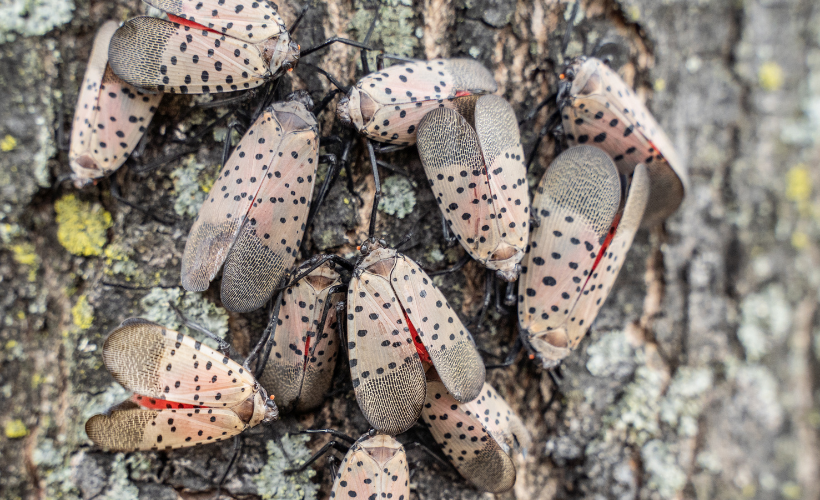
Egg masses look like dried mud or putty smears on smooth surfaces. Each mass measures about 2.5 cm long. Females lay them on tree bark, rocks, fences, vehicles, firewood, and outdoor equipment. A grey waxy coating covers fresh masses. Older masses lose this coating and reveal rows of individual seed-like eggs underneath. Walk your property in early spring and scan smooth surfaces carefully. One missed mass can release dozens of nymphs and start a full infestation by midsummer.
Nymph Activity in Late Spring
Newly hatched nymphs are small, about 0.6 cm long. They look black with bright white spots. Nymphs gather in large groups on host trees. You will often see them moving up and down trunks in the morning hours. Later instars turn red with black and white markings before reaching adult size in July and August.
Host Trees and Damage Signs
Spotted Lanternfly prefers the Tree of Heaven first. The insect also targets several common Essex County species:
- Maple trees
- Black walnut
- Grapevines
- Fruit trees
- Willows and birches
Heavy feeding causes clear warning signs on the bark and foliage of infested trees:
- Sap weeping down the bark
- A fermented or vinegar-like odor near the trunk
- A sticky substance called honeydew that coats the trunk and ground
- Black sooty mold growing over the honeydew at the base of the tree
- Swarms of wasps and ants drawn to the sugary residue
The insect also feeds on sap from leaves and young stems, which weakens healthy trees over time.
What to Do If You Find Spotted Lanternfly
Take a clear photo of the egg mass, nymph, or adult insect. Scrape egg masses into a bag with hand sanitizer or alcohol to kill them. Crush any insects you see on contact. Report your finding to the Canadian Food Inspection Agency right away. Quick reporting helps experts manage invasive species and protect nearby properties.
Oak Wilt Warning Signs in Spring 2026
Oak Wilt: is a deadly vascular disease caused by the fungus Bretziella fagacearum. This invasive fungus that restricts the flow of water and nutrients through the tree forces leaves to wilt and eventually drop. The disease is caused as the oak wilt fungus grows on the outer sapwood of oak trees, blocking the vessels that carry nutrients through the tree and forcing the tree to die. Red oak species and members of the black oak and red oak family die within weeks. White oaks and other species of oak trees decline more slowly but still face serious risk.
Signs and Symptoms of Oak Wilt
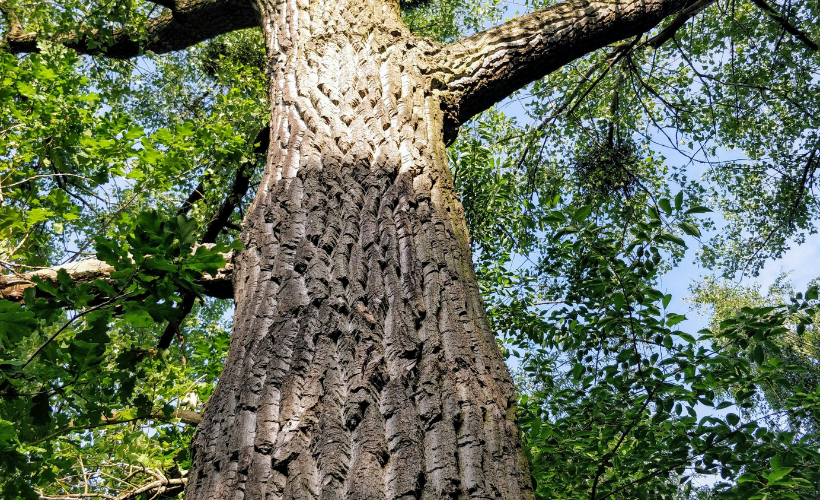
The signs and symptoms of oak wilt appear in late May or June. Leaves wilt at the top of the tree canopy and turn brown or bronze. The wilt spreads downward, and a single red oak can lose its full canopy cover in one summer. Healthy oaks never drop green foliage in early summer, so this pattern is one of the clearest signs of oak wilt.
Other symptoms of oak wilt include:
- Dull green, yellow, or bronze discoloration starting at leaf edges
- Vertical bark cracks on the trunk
- Fungal mats under the bark of infected trees, white, grey, or black in color
- A sweet smell similar to Juicy Fruit gum or rotting fruit
- Sudden tree death within weeks for red oak species
How Oak Wilt Spreads
The fungus grows on the outer sapwood, and fungal mats push outward and split the bark. The sweet smell attracts sap beetles, also called sap-feeding beetles. These beetles carrying fungal spores then fly to fresh wounds on nearby oaks. Many oak trees in close proximity to oak trees known to be infected catch the disease through shared root systems and beetle activity.
Oak Wilt in Canada: What Essex County Homeowners Should Know
Oak wilt in Canada is a newer concern. The first case of oak wilt was confirmed when the fungus was detected in Ontario in 2023. Several more cases have since been found within Ontario, including in trees in the York Regional Forest area. The Canadian Food Inspection Agency continues to monitor the situation across Ontario and Quebec. Oak wilt is regulated under the Invasive Species Act, making it one of the highest-priority invasive species in Ontario. Authorities work hard to prevent the entry of oak wilt disease into new regions. Oaks are a native species in Essex County, and the spread of oak wilt would damage local forests and yards. The origin of the fungus traces back to invasive species found in the United States. Detection of oak wilt requires lab confirmation, and any tree suspected of having oak wilt should be reported right away.
Help Prevent the Spread of Oak Wilt
Follow these steps to help prevent the spread of oak wilt, protect oak trees, and limit invasive species within your neighborhood:
- Do not prune oaks between April and August.
- Seal any storm wounds on oaks right away with tree paint.
- Avoid moving firewood from outside of Ontario into the region.
- Check trees in close proximity to oak trees known to be infected.
- Report any tree suspected of having oak wilt to the CFIA.
- Call a licensed arborist for tree removal of confirmed cases.
Early detection and proper tree management of invasive species protect both your yard and the broader natural area. Quick action keeps healthy trees safe and slows the spread.
How Century Tree Service Helps Protect Your Trees
Owner Devin Mills has spent over five years working with the trees that grow across Essex County. He knows the local species, the local weather, and the pests now present in Ontario. Century Tree Service offers honest tree health assessments and early detection of pest and disease problems. We never push tree removal when proper care can save the tree. Our crew brings local urban forestry experience to every job. We follow safe pruning windows for oaks during peak risk months and handle Spotted Lanternfly host tree management with care.
Our team serves Kingsville, Windsor, Essex County, and all surrounding communities. We respond fast and stay in touch from the first call to the final cleanup. Every job carries full licensing and insurance protection.
Protect Your Trees from Spring Tree Pests Today
Spring Tree Pests like the Spotted Lanternfly and Oak Wilt move fast once they reach your property. Early action saves trees, protects your landscape value, and stops the spread to your neighbors. Century Tree Service offers free tree health inspections across Kingsville and Essex County.

Call Devin Mills at 519-324-7118 to book your spring tree check. You will work with the owner from start to finish. Honest advice. Clear pricing. Real protection for the trees that matter most to your family, from all spring tree pests and insects.